samsung galaxy s ii stands as a landmark in smartphone innovation, captivating users right from its launch. Released in 2011, this device introduced a range of specifications that set a new standard in mobile technology. With its sleek design, vibrant display, and enhanced user interface, the Galaxy S II not only appealed aesthetically but also delivered a high-performance experience that redefined how we interact with our devices.
Equipped with cutting-edge advancements and a powerful processor, the Samsung Galaxy S II offered users a seamless experience unlike any other at the time. Its lightweight structure and intuitive interface made navigation a breeze, allowing users to stay connected and entertained with ease. As we delve deeper into its features and user reception, the impact of this smartphone on the market becomes increasingly clear.
Overview of Samsung Galaxy S II
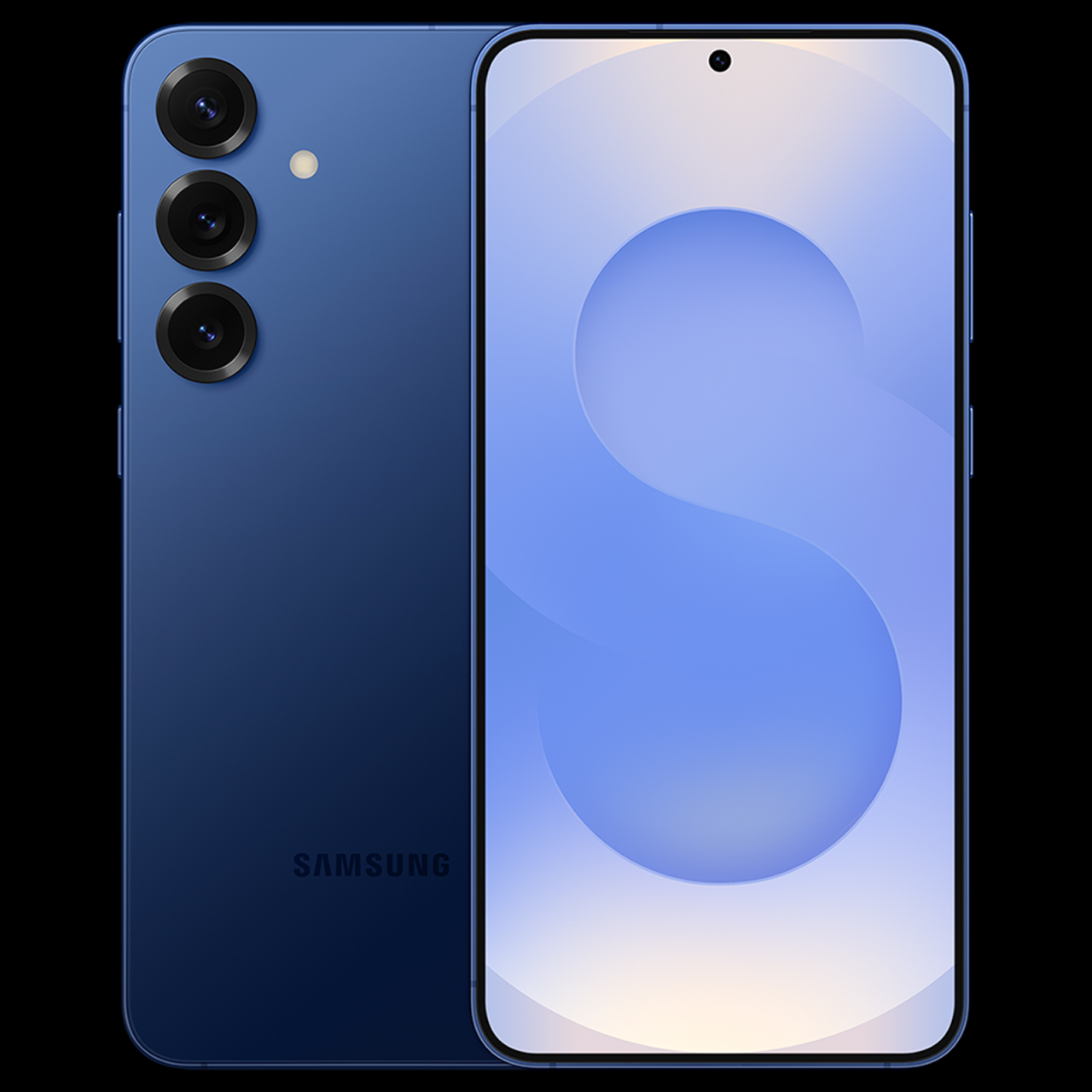
The Samsung Galaxy S II made its debut in April 2011, marking a significant advancement in the smartphone landscape. This device quickly garnered attention for its impressive specifications and innovative features, establishing itself as a leader in the burgeoning Android market. With a combination of high-end hardware and a rich user experience, it set a new standard for mobile technology.


The Galaxy S II is equipped with a 4.3-inch Super AMOLED Plus display, offering vibrant colors and deep blacks, which enhances media consumption and gaming experiences. Under the hood, it features a dual-core 1.2 GHz processor and 1 GB of RAM, enabling smooth multitasking and improved performance. The phone also boasts an 8-megapixel rear camera with capabilities for 1080p video recording, as well as a 2-megapixel front-facing camera for video calls. Its internal storage options of 16 GB and 32 GB, expandable via microSD, cater to varying user needs.
Design Elements of Samsung Galaxy S II
The design of the Samsung Galaxy S II reflects a commitment to aesthetics and functionality. The sleek profile of the device, measuring just 8.49 mm thick, contributes to its lightweight and comfortable hold. The front is dominated by the expansive Super AMOLED Plus display, which stretches almost edge-to-edge, offering an immersive viewing experience. The device’s back features a textured plastic cover, providing both grip and a modern look.
The user interface, running on Android 2.3 Gingerbread (upgradeable to later versions), is characterized by Samsung’s TouchWiz overlay, which enhances usability with widgets and customizable home screens. The virtual buttons for navigation are intuitive, allowing users to easily access apps and settings.
Technological Advancements Introduced with Samsung Galaxy S II
The Galaxy S II introduced several technological advancements that distinguished it from its predecessors. The incorporation of a dual-core processor was a significant leap, allowing for faster processing speeds and improved performance in intensive applications such as gaming and multitasking. Additionally, the Super AMOLED Plus display provided a broader color spectrum and enhanced brightness levels compared to previous models, making it ideal for outdoor use.
Other notable features included:
- Camera Technology: The 8 MP camera with an advanced sensor and features like zero shutter lag and advanced image stabilization improved photo quality and user experience.
- HD Video Recording: Ability to record videos in 1080p resolution provided users with high-definition capture, rivaling dedicated camcorders.
- Improved Battery Life: The 1650 mAh battery offered extended usage time, making it suitable for users with demanding lifestyles.
- Data Connectivity: Support for HSPA+ provided faster data transfer rates, enhancing browsing and streaming capabilities.
These advancements positioned the Galaxy S II as a formidable competitor in the smartphone market, leading to widespread acclaim and establishing a loyal customer base that paved the way for future Samsung innovations.
User Experience and Performance: Samsung Galaxy S Ii
The Samsung Galaxy S II was designed to deliver an intuitive user experience, characterized by its TouchWiz interface, which provided a smooth and responsive navigation system. With a 4.3-inch Super AMOLED Plus display, users enjoyed vibrant colors and deep contrasts, enhancing visibility in various lighting conditions. The overall design catered to user comfort, making it easy to handle and use with one hand.
The user interface of the Galaxy S II was built on Android 2.3 Gingerbread, which allowed for seamless multitasking and quick access to applications. Customization options were abundant, where users could personalize their home screens with widgets, shortcuts, and live wallpapers. The ease of navigation was notable, with features such as swipe gestures and a streamlined settings menu contributing to a hassle-free experience.
Performance Comparison with Other Smartphones, Samsung galaxy s ii
During its release period, the Samsung Galaxy S II stood out in terms of performance, thanks to its dual-core 1.2 GHz processor and 1 GB of RAM. This configuration allowed it to compete effectively with contemporaries like the HTC Sensation and Motorola Atrix. The Galaxy S II was often praised for its speed and responsiveness, particularly in gaming and multimedia applications.
The performance metrics illustrated its capabilities, with many benchmarks highlighting its processing power:
- The dual-core processor enabled fluid performance for multitasking and high-demand applications, surpassing many single-core competitors.
- 3D gaming performance was impressive, with graphics rendering smoothly without noticeable lags.
- Web browsing was swift, benefiting from both the capable hardware and the optimized browser experience.
User feedback often highlighted the Galaxy S II’s superior performance, stating it handled demanding tasks better than many other devices available at the time, making it a preferred choice for tech enthusiasts.
User Feedback on Battery Life and Performance
Battery life was a critical aspect of the user experience for the Galaxy S II. Most users reported that the 1650 mAh battery provided adequate power for a full day of moderate usage, which included web browsing, calls, and media consumption. However, heavy users noted some limitations under extensive use, particularly when utilizing GPS or playing games, where the battery drained more quickly than anticipated.
Common feedback points regarding battery performance included:
- Many users appreciated the option to manage battery settings to extend life, such as reducing screen brightness and limiting background data.
- The introduction of power-saving modes in later software updates contributed positively to battery longevity.
In conclusion, while the Galaxy S II excelled in user experience and performance, some users suggested improvements in battery efficiency for more demanding use cases. Overall, the device was celebrated for its capabilities, setting a benchmark for future smartphones.
Accessories and Compatibility
The Samsung Galaxy S II has revolutionized the smartphone experience since its launch, not only through its sleek design and impressive capabilities but also via a range of accessories that enhance functionality and user experience. Understanding the accessories available for the Galaxy S II and its compatibility with various software and applications is essential for users looking to maximize their device’s potential.
Popular Accessories for Samsung Galaxy S II
Numerous accessories have been specifically designed to complement the Samsung Galaxy S II, enhancing usability and providing added features. Here are some of the most popular accessories and their functionalities:
- Screen Protectors: These thin films or tempered glass protectors safeguard the device’s screen from scratches and cracks, ensuring longevity and maintaining clarity.
- Battery Cases: Battery cases provide additional power to the Galaxy S II, allowing users to extend their device’s battery life significantly without needing to find a power outlet.
- Car Mounts: Car mounts provide a secure and convenient way to use the Galaxy S II for navigation while driving, ensuring that the driver can focus on the road.
- Bluetooth Headsets: These wireless accessories enable hands-free calling and media playback, enhancing the audio experience while on the go.
- Portable Chargers: Compact and powerful, portable chargers allow users to recharge their Galaxy S II anywhere, making them essential for heavy users.
Compatibility with Applications and Software Updates
The Samsung Galaxy S II is known for its compatibility with a wide range of applications, making it a versatile choice for users. The device supports both Android apps and Samsung-specific software, allowing for seamless integration with various services. Regular software updates ensure that the device operates smoothly with the latest applications and features, enhancing security and performance.
“Samsung consistently provides updates for the Galaxy S II, which improves its compatibility with current apps and features.”
The device is compatible with popular platforms such as Google Play Store, enabling users to download thousands of applications for productivity, entertainment, and social media. Additionally, many developers optimize their apps specifically for the Galaxy S II’s hardware features, ensuring a smooth user experience.
Enhancing the Galaxy S II Experience with Third-Party Apps
To further augment the functionality of the Samsung Galaxy S II, users can take advantage of a variety of third-party applications. These apps are designed to provide features that may not be available through default settings. Here are some recommendations:
- Nova Launcher: A customizable home screen launcher that allows users to change layouts, icons, and animations, providing a fresh user experience.
- Tasker: An automation app that enables users to create custom scripts to automate mundane tasks, significantly improving efficiency.
- Evernote: This powerful note-taking application allows users to organize notes, tasks, and images in one place, enhancing productivity.
- Spotify: For music lovers, Spotify offers an extensive music library and playlists that can be streamed directly on the Galaxy S II.
- Google Maps: An essential navigation app that provides real-time traffic updates and route planning, perfect for users on the move.
Market Impact and Legacy
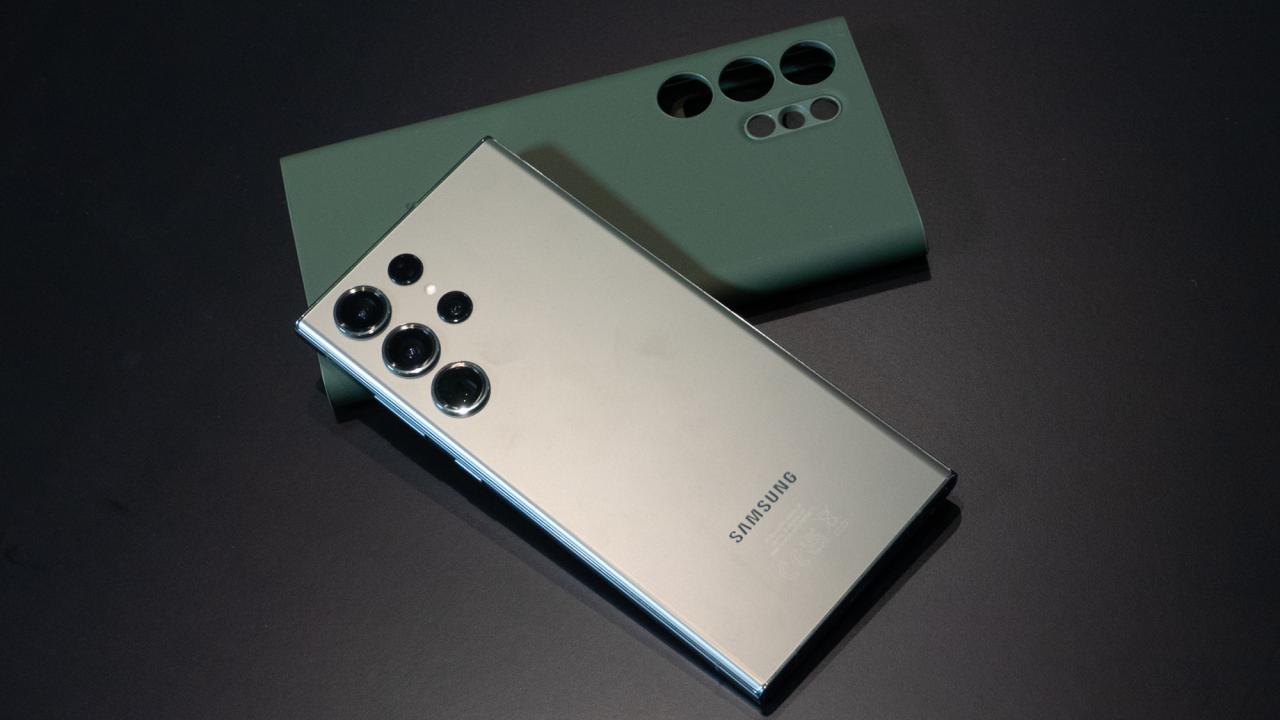
The Samsung Galaxy S II, launched in 2011, marked a pivotal moment in the smartphone industry, showcasing a blend of cutting-edge technology and user-oriented design that reshaped market dynamics. Its introduction not only solidified Samsung’s position as a leading player in the mobile space but also set new standards for performance and aesthetics that competitors would strive to meet.
The influence of the Samsung Galaxy S II extends beyond its immediate success; it significantly impacted future Samsung models and the broader smartphone design landscape. The S II was one of the first devices to feature a super AMOLED display, a design choice that enhanced visual clarity and color vibrancy, setting a benchmark for subsequent smartphones.
Influence on Future Samsung Models
The design principles and technological innovations introduced with the Galaxy S II can be seen in numerous succeeding Samsung devices. Notable influences include:
- Display Technology: The Galaxy S II popularized AMOLED technology, paving the way for its inclusion in future flagship models such as the Galaxy S III and beyond, enhancing brightness and reducing battery consumption.
- User Interface Enhancements: The TouchWiz interface first seen in the S II served as a foundation for Samsung’s software evolution, leading to more refined and user-friendly interfaces in later models.
- Camera Advancements: The S II’s camera was a significant leap forward, influencing subsequent models to prioritize camera technology, resulting in the exceptional photography capabilities present in the Galaxy S series today.
The success of the Galaxy S II also prompted Samsung to adopt a more aggressive release strategy, pushing out multiple variants and iterations, thus rapidly increasing their market share.
Enduring Legacy in Popular Culture and Technology
The Samsung Galaxy S II’s legacy is evident in both popular culture and technological advancements. It became a symbol of the smartphone revolution, representing a shift towards powerful, multifunctional devices that cater to everyday needs.
The device’s impact is highlighted through:
- Pop Culture References: The Galaxy S II was featured in various media, from films to music videos, embodying a modern lifestyle and showcasing advanced technology.
- Innovation Recognition: The Galaxy S II received numerous awards, affirming its role in redefining smartphone capabilities and setting benchmarks for the industry.
- Community and User Engagement: The strong community support and user base established around the S II fostered a culture of innovation, where users actively contributed to software developments and enhancements, influencing the broader tech community.
In essence, the Samsung Galaxy S II not only transformed Samsung into a powerhouse in the smartphone market but also left an indelible mark on how smartphones are designed and perceived today, influencing both technology and culture that resonates with users around the globe.
Answers to Common Questions
What was the release date of the Samsung Galaxy S II?
The Samsung Galaxy S II was released in April 2011.
What were the key specifications of the Samsung Galaxy S II?
It featured a 4.3-inch Super AMOLED display, a dual-core processor, and 1GB of RAM.
How did the battery life of the Samsung Galaxy S II perform?
The battery life was generally well-received, providing around 8 hours of talk time.
What accessories were popular for the Samsung Galaxy S II?
Popular accessories included protective cases, screen protectors, and car mounts.
How did the Samsung Galaxy S II influence future smartphones?
It set a precedent for high-performance smartphones, influencing design and functionality in subsequent models.
The Galaxy S 7 stands out as a pivotal model in Samsung’s smartphone lineup, bringing advanced features that cater to tech enthusiasts. With its stunning design and robust performance, it set a high standard for future devices, blending innovation with user-friendly functionality.
When exploring the evolution of Samsung smartphones, the Samsung Galaxy S II is often highlighted for its early adoption of cutting-edge technology. This model not only enhanced user experience but also paved the way for subsequent flagship devices, demonstrating Samsung’s commitment to staying ahead in the competitive market.