samsung galaxy note 7 stands as a pivotal moment in smartphone history, capturing the imagination of tech enthusiasts and the public alike. Released in 2016, it boasted cutting-edge features that set new standards, such as an advanced S Pen and vibrant display technology. However, its journey was marred by significant controversies that challenged Samsung’s reputation and the trust of its consumers.
The Galaxy Note 7 was not just another flagship; it was a testament to innovation, showcasing a blend of powerful hardware and thoughtful design. Despite its initial acclaim, the device faced a tumultuous reception due to battery issues that led to a massive recall, sparking debates on safety and corporate responsibility in the tech industry.
Overview of Samsung Galaxy Note 7
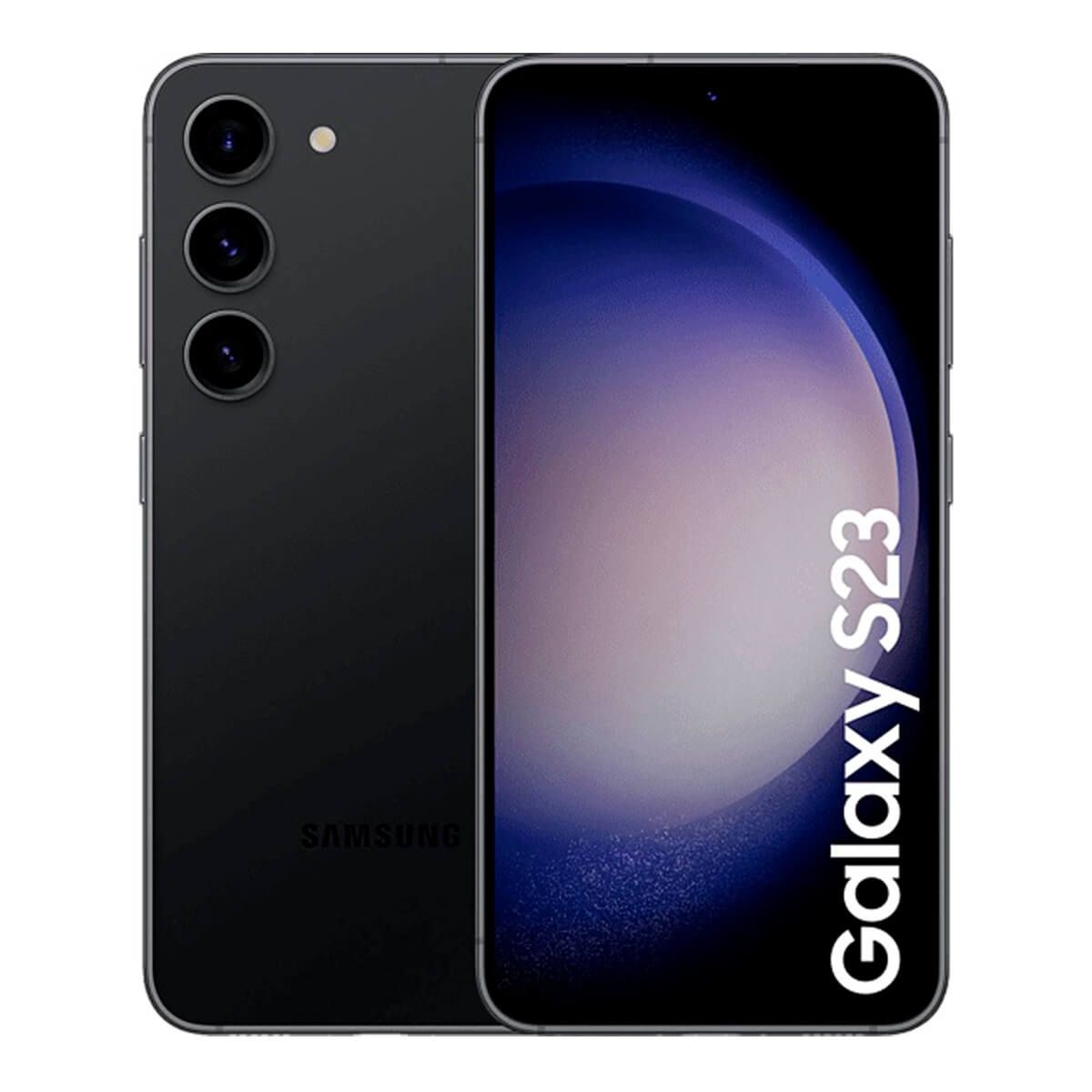
The Samsung Galaxy Note 7 marked a significant evolution in the smartphone landscape upon its release in August 2016. Blending productivity with premium design, this device aimed to cater to the needs of both professionals and casual users. With its advanced features and cutting-edge technology, the Note 7 was anticipated to be a flagship model that would redefine expectations in the phablet market.


The Galaxy Note 7 introduced several unique specifications that distinguished it from its predecessors. Firstly, it featured a 5.7-inch Super AMOLED display with a resolution of 1440 x 2560 pixels, providing a vibrant and immersive viewing experience. Additionally, the device was equipped with the latest Qualcomm Snapdragon 820 processor or Samsung’s Exynos 8890, depending on the region, which ensured lightning-fast performance. Another notable upgrade was the integration of a dual-edge display, which offered not only aesthetic appeal but also functionality with the Edge Panel for quick access to apps and tools. Furthermore, the Note 7 included an IP68 rating, making it water and dust resistant, and packed a 3,500 mAh battery that supported fast charging and wireless charging.
Initial Consumer Reception and Market Impact
Upon its launch, the Samsung Galaxy Note 7 received widespread acclaim from both consumers and critics alike. Its innovative features and elegant design garnered positive reviews, which highlighted its potential to set new standards in the smartphone industry. The device’s S Pen was particularly praised for its enhanced functionality, enabling users to take notes and sketch with greater ease and precision.
The initial sales figures reflected the strong market demand for the Galaxy Note 7. Within the first few weeks, Samsung reported robust pre-order numbers, which bolstered expectations of high sales volume. However, the device’s market impact took a drastic turn when reports of battery issues emerged shortly after its launch. Despite the initial enthusiasm, the subsequent safety concerns and recalls ultimately led to the device being discontinued just two months after its release. This turn of events not only affected Samsung’s reputation but also had broader implications for consumer trust in technology products, compelling companies to prioritize safety standards in manufacturing.
“The Galaxy Note 7 was poised to revolutionize the phablet market with its innovative features and premium design, but unforeseen battery issues ultimately overshadowed its achievements.”
Controversies Surrounding Samsung Galaxy Note 7
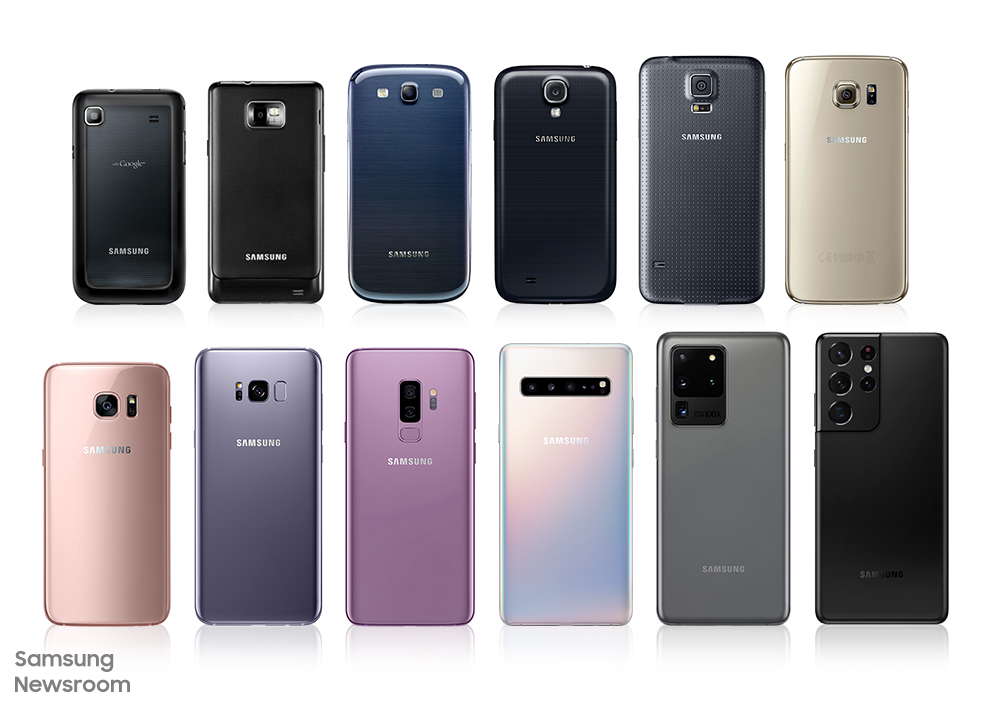
The Samsung Galaxy Note 7 was anticipated to be one of the most exceptional smartphones of its time. However, the excitement quickly turned into controversy due to serious safety issues that led to a massive recall and impacted the brand’s reputation. This section delves into the root of the battery problems, the measures taken by Samsung to remedy the situation, and the varied reactions from consumers and industry analysts during this crisis.
Battery Issues Leading to the Recall
The Galaxy Note 7’s battery issues emerged as a significant concern when reports surfaced about devices overheating and, in some cases, igniting. The root cause of these malfunctions was linked to the lithium-ion batteries used in the phones, specifically defects in the battery cells that created a risk of short-circuiting. Samsung identified that two different suppliers provided batteries, with the first batch showing defects related to the battery’s casing and insulation.
To illustrate the severity of the situation, Samsung finally confirmed that around 2.5 million units were affected, leading to an official recall in September 2016. The decision to halt sales and replace the devices was unprecedented in the smartphone industry and demonstrated the urgency of addressing consumer safety.
Steps Taken by Samsung to Restore Brand Trust
In response to the crisis, Samsung implemented a series of measures to regain consumer confidence and ensure safety in their devices. The following steps were crucial:
- Public Recall: Samsung issued an immediate recall and encouraged users to return their devices for a full refund or exchange.
- Battery Replacement Program: Affected batteries were replaced with new ones after rigorous testing, with additional checks involving external safety experts to validate the replacements.
- Transparency Measures: Samsung openly communicated with customers and stakeholders about the issues, detailing the steps they were taking to address the problems effectively.
- Commitment to Safety: The company established a Battery Advisory Group to oversee battery safety and quality assurance in the future, emphasizing their dedication to consumer safety.
These proactive measures not only aimed to solve the immediate crisis but also sought to reassure customers of Samsung’s commitment to product safety moving forward.
Reactions from Consumers and Industry Experts
The reactions to the Galaxy Note 7 crisis varied significantly between consumers and industry analysts. Many consumers expressed frustration and disappointment, particularly those who had invested in the flagship smartphone. User experiences, shared through social media and technology forums, reflected a mix of anger and concern over the potential hazards of using the device.
On the other hand, industry experts analyzed the situation with a more critical lens, recognizing it as a pivotal moment for Samsung that could either break or make the brand. They noted the importance of the company’s response strategy in determining its long-term reputation. Some experts applauded Samsung for its swift actions, while others questioned the initial quality control measures that allowed such a critical flaw to reach consumers.
In summary, the controversies surrounding the Samsung Galaxy Note 7 highlighted severe challenges in product safety and brand management, but also showcased the company’s effort to learn from the mishap and evolve in a competitive market.
Technological Innovations in Samsung Galaxy Note 7
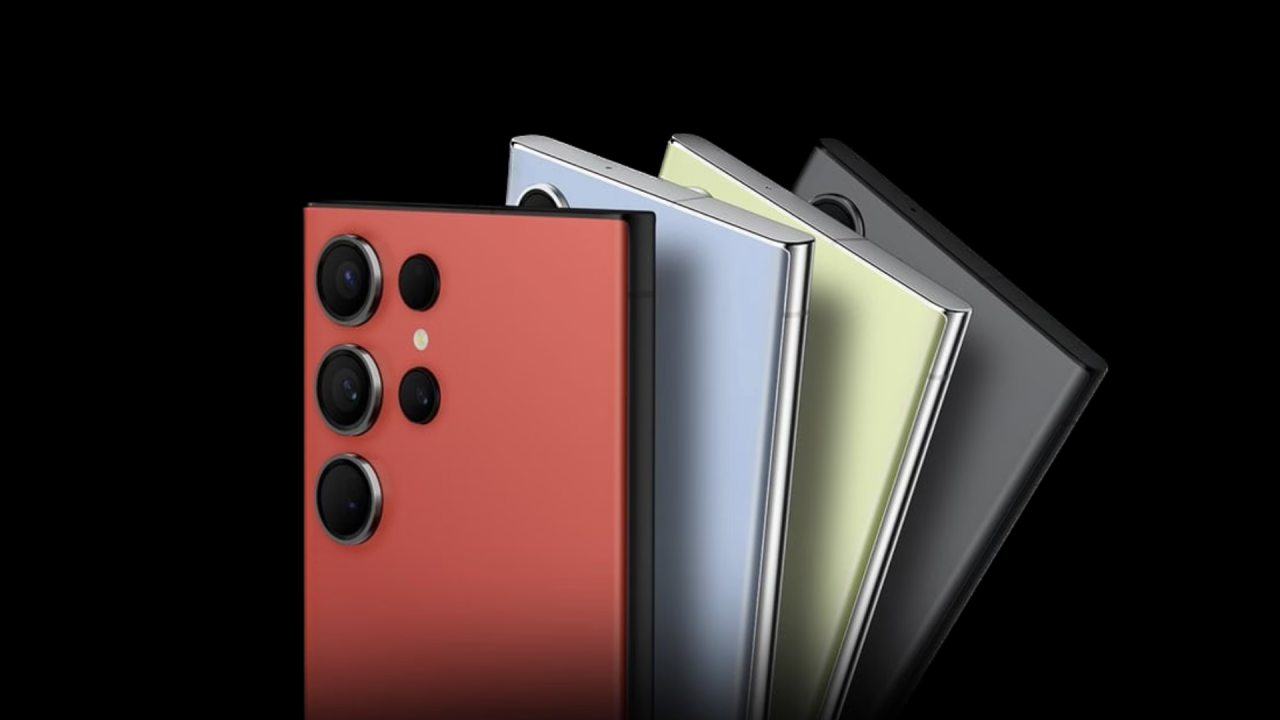
The Samsung Galaxy Note 7 was a groundbreaking device that showcased the company’s commitment to innovation in the smartphone industry. Released in 2016, it introduced several advanced features that not only enhanced user experience but also set new standards for future smartphones. This smartphone combined cutting-edge technology with elegant design, making it a significant player in the competitive mobile market.
One of the standout features of the Samsung Galaxy Note 7 was its S Pen, which provided users with a highly refined stylus experience. The S Pen included features such as improved pressure sensitivity, allowing for more natural handwriting and drawing, and a waterproof design that made it even more user-friendly. Additionally, the Galaxy Note 7 was rated IP68 for water and dust resistance, ensuring durability in various environments. This innovation allowed users to immerse themselves in their creative tasks without worrying about damaging the device in wet conditions.
Display Technology and Design
The display technology of the Galaxy Note 7 set new benchmarks for the smartphone market through its stunning Super AMOLED screen, which featured a 5.7-inch Quad HD resolution. This display not only offered vibrant colors and deep contrasts but also provided exceptional clarity for multimedia consumption. The curved edges of the screen enhanced the visual appeal and enabled a more immersive experience, making it easier for users to engage with their content.
The design aesthetics combined with advancements in display technology created a visually appealing device that catered to the preferences of modern users. The sleek glass and metal construction added a premium feel to the device, which became a hallmark of Samsung’s flagship smartphones. The attention to detail in the design meant that users appreciated both form and function, which is crucial in an era where first impressions significantly influence consumer choices.
Software Capabilities
The software capabilities of the Galaxy Note 7 enhanced its overall user experience significantly. Running on Android 6.0 Marshmallow, it offered a smooth and responsive interface that was further improved by Samsung’s TouchWiz UI. Features such as Multi Window enabled users to run two applications simultaneously, increasing productivity and multitasking efficiency.
Additionally, the phone included sophisticated security options, such as iris scanning, which added an extra layer of protection for sensitive data. This feature demonstrated Samsung’s commitment to user privacy and security, addressing growing concerns in the digital age. The integration of these software capabilities ensured that the Galaxy Note 7 was not just a hardware powerhouse but also delivered a user-friendly experience that catered to a wide range of consumer needs.
“The Samsung Galaxy Note 7 was a perfect blend of innovative hardware and intuitive software.”
Legacy and Influence of Samsung Galaxy Note 7
The Samsung Galaxy Note 7, despite its tumultuous journey, has left an indelible mark on the smartphone industry. Its influence extends far beyond its short-lived lifespan, shaping Samsung’s product strategy and the broader smartphone market. This segment delves into the long-term effects of the Galaxy Note 7, the lessons learned from its controversies, and the impact it had on competitors in the industry.
Impact on Samsung’s Product Strategy
The Galaxy Note 7 incident prompted Samsung to reassess its product development and quality assurance processes. Following the backlash from the Note 7’s battery failures, Samsung implemented stringent testing protocols, known as the “8-Point Battery Safety Check,” which became a benchmark in the industry. This new strategy emphasized safety and reliability, influencing the design and production of subsequent devices, such as the Galaxy S8 and S9.
Moreover, the Note 7’s failure catalyzed Samsung to enhance its focus on diversification within its product line, leading to the introduction of innovative features like improved battery technology and enhanced cooling systems. The company prioritized user feedback more than ever, ensuring that future devices would align more closely with consumer expectations.
Lessons Learned from the Galaxy Note 7 Incident
The challenges faced by the Galaxy Note 7 serve as a case study for risk management and product safety in technology. Samsung’s experience underscored the necessity of thorough testing and quality control, highlighting that even a minor oversight can lead to significant repercussions.
Key takeaways from the Galaxy Note 7 situation include:
-
Prioritize safety in product design to prevent catastrophic failures.
-
Establish robust quality assurance processes to identify potential issues early.
-
Maintain transparent communication with consumers during crisis management.
-
Adopt a proactive approach to consumer feedback and market trends.
These lessons have been instrumental in shaping the development of Samsung’s subsequent devices, ensuring that safety and reliability remain at the forefront of their engineering efforts.
Influence on Competitor Smartphone Designs, Samsung galaxy note 7
The fallout from the Galaxy Note 7 incident rippled through the smartphone industry, compelling competitors to reassess their own design and safety protocols. Many manufacturers began to implement more rigorous testing procedures for battery safety and to invest in innovative cooling technologies to prevent overheating.
For instance, Apple’s approach to battery management and safety was influenced by the Note 7 crisis, leading to enhancements in their own devices, such as the iPhone 8 and iPhone X. Companies like Google and OnePlus also made strides in battery safety, integrating advanced battery management systems to address any potential risks.
Furthermore, the increased consumer awareness surrounding battery safety and smartphone reliability has led to a shift in marketing strategies across the industry. Competitors began to emphasize their commitment to safety, showcasing their enhanced testing processes and innovative features to reassure consumers.
The Galaxy Note 7’s legacy is a testament to the interconnectedness of the smartphone market, illustrating how one company’s challenges can instigate widespread changes across the industry, ultimately benefiting consumers through improved technology and safety standards.
FAQ Section
What were the standout features of the samsung galaxy note 7?
Notable features included a stunning 5.7-inch Quad HD display, an improved S Pen, water and dust resistance, and a sleek design.
How did Samsung address the battery issues?
Samsung implemented a global recall, replaced faulty devices, and enhanced its battery testing protocols to restore consumer trust.
What impact did the Note 7 have on future smartphone designs?
The Note 7’s design elements, such as edge displays and premium materials, influenced subsequent models from various manufacturers.
Did the Note 7 have any software innovations?
Yes, it featured advanced software capabilities, including multitasking with the S Pen and improved security features like Iris scanning.
How did consumers initially react to the samsung galaxy note 7?
Initial reactions were overwhelmingly positive, with excitement over its features, but the enthusiasm quickly turned to concern following the battery incidents.
The Samsung Galaxy S 4 is a smartphone that revolutionized mobile technology with its impressive features and sleek design. It boasts a stunning display and powerful performance, making it a favorite among tech enthusiasts. Users appreciate its innovative camera capabilities that enhance photography experiences, setting a benchmark for future devices in its category.
On the other hand, the Samsung Galaxy Note 7 was notable for its productivity features, including the S Pen that transformed the way users interact with their devices. Despite its unfortunate recall due to safety issues, it left a lasting impact on the market, emphasizing the importance of quality control in tech manufacturing and influencing future designs.