Galaxy s 7 – Galaxy S7 stands out in the crowded smartphone market, captivating users with its impressive features and sleek design. From its stunning display to its powerful performance, the Galaxy S7 redefines what we expect from a mobile device. This smartphone combines cutting-edge technology with user-centric design, ensuring a seamless experience for both casual users and tech enthusiasts alike.
The Galaxy S7 boasts specifications that truly set it apart from competitors, including a vibrant Super AMOLED display and a robust camera system optimized for various lighting conditions. Its elegant design, featuring premium materials and a comfortable grip, enhances its appeal, making it a device that is both visually stunning and functional.
Features of Galaxy S7

The Samsung Galaxy S7, a flagship smartphone released in 2016, boasts a myriad of features that position it as a strong contender in the mobile market. With its advanced capabilities, it caters to users seeking high performance, stunning design, and cutting-edge technology. This device not only enhances user experience but also sets a benchmark for future smartphones.


In terms of specifications, the Galaxy S7 stands out with its powerful hardware, impressive camera capabilities, and an array of features designed for an immersive user experience. The device is powered by a Qualcomm Snapdragon 820 or Exynos 8890 processor, depending on the region, and comes with 4GB of RAM, ensuring smooth multitasking and performance. The internal storage options of 32GB and 64GB are expandable via microSD, allowing users to store ample data without worry.
Design Elements
The design of the Galaxy S7 is a blend of elegance and functionality, utilizing premium materials that enhance its aesthetic appeal and durability. The device features a glass and metal build, with Corning Gorilla Glass 4 on both the front and back, providing a sleek finish while ensuring protection against scratches.
The dimensions of the Galaxy S7 are compact, measuring 142.4 x 69.6 x 7.9 mm, and it weighs just 152 grams, making it comfortable to hold and use with one hand. Its rounded edges and ergonomically designed body contribute to a natural feel, while the IP68 rating ensures water and dust resistance, enabling users to take their device into various environments without fear of damage.
The 5.1-inch Super AMOLED display showcases a resolution of 1440 x 2560 pixels, delivering vibrant colors and deep contrasts that enhance visual content. With a pixel density of approximately 577 ppi, images and texts appear sharp and clear, making it an excellent choice for multimedia consumption.
Overall, the Galaxy S7’s design and specifications create a balanced device that appeals to both casual users and tech enthusiasts alike, showcasing the best of what Samsung had to offer at the time of its release.
User Experience and Performance: Galaxy S 7
The Galaxy S7 is not just a powerful smartphone; it offers an engaging user experience that complements its robust performance. From its sleek design to its intuitive interface, users are treated to a device that feels premium and efficient in everyday tasks. This section delves into the performance benchmarks, user interface, and battery life comparisons that highlight the Galaxy S7’s capabilities.
Performance Benchmarks of the Galaxy S7
The Galaxy S7 showcases impressive performance benchmarks that set it apart from competitors in its class. Powered by the Qualcomm Snapdragon 820 or Samsung’s Exynos 8890 processor, depending on the region, the device delivers outstanding speed and efficiency. Benchmarks reveal that the Galaxy S7 excels in multi-core performance, often achieving scores exceeding 5,000 in Geekbench tests.
Key aspects of its performance include:
- Graphics Performance: The Adreno 530 GPU or Mali-G71 GPU provides seamless graphics rendering, making it ideal for gaming and graphic-intensive applications.
- RAM Management: With 4GB of RAM, the Galaxy S7 efficiently manages multiple applications, allowing for smooth multitasking without lag.
- Storage Options: Users can choose between 32GB and 64GB of internal storage, with the option to expand via microSD, ensuring ample space for apps and media.
User Interface and Experience
The Galaxy S7 runs on Samsung’s TouchWiz, which has seen significant improvements in user experience. The interface is designed to be user-friendly, featuring a clean layout and responsive touch capabilities. Users appreciate the customization options available, allowing personalization of home screens, widgets, and themes.
Key features enhancing user experience include:
- Always On Display: This feature allows users to view notifications, time, and calendar events without unlocking the phone, conserving battery and streamlining access to essential information.
- Split Screen Multitasking: Users can run two applications side by side, increasing productivity by allowing simultaneous access to multiple apps.
- Enhanced Security Features: The Galaxy S7 includes a fingerprint scanner and an iris scanner, providing added layers of security while maintaining ease of access.
Battery Life Comparison
The Galaxy S7 is equipped with a 3,000mAh battery, which offers commendable longevity. In real-world tests, the device can easily last a full day with moderate usage, thanks to its efficient power management.
When compared to other smartphones in its class, the Galaxy S7 holds its own:
- iPhone 7: While the iPhone 7 has a smaller battery capacity at 1,960mAh, it utilizes iOS optimization for battery life; however, the S7’s battery generally offers longer usage times on similar tasks.
- Google Pixel: The Pixel’s 2,770mAh battery provides competitive performance, but the S7’s advanced features help offset power consumption, particularly with the Always On Display.
- OnePlus 3: With a 3,000mAh capacity, both devices offer similar battery longevity, but the S7’s power-saving features tend to give it an edge in sustained use.
“The Galaxy S7 showcases an impressive balance of performance and efficiency, making it a standout choice among flagship smartphones.”
Camera Capabilities

The camera capabilities of the Galaxy S7 are one of its standout features, making it a preferred choice for photography enthusiasts. With an impressive set of specifications and advanced technology, this smartphone elevates mobile photography to new heights. The Galaxy S7 is equipped with a 12 MP rear camera that utilizes Dual Pixel technology, which significantly enhances focus speed and accuracy, even in challenging lighting conditions.
The Galaxy S7 excels in various lighting conditions, thanks to its f/1.7 aperture and the innovative sensor design. In bright daylight, the camera captures vibrant colors and sharp details, while in low-light environments, it performs remarkably well, producing clear and noise-free images. The combination of optical image stabilization and advanced processing ensures that photos taken in dim conditions remain bright and well-defined.
Camera Specifications and Technology, Galaxy s 7
The camera specifications of the Galaxy S7 are designed to deliver exceptional photographic results. Here are the key features:
- 12 MP rear camera with Dual Pixel technology
- f/1.7 aperture for improved light capture
- Optical image stabilization to reduce blurriness
- 5 MP front camera with an f/1.7 aperture for stunning selfies
- 4K video recording capabilities for high-resolution video capture
The Dual Pixel technology allows each pixel in the sensor to be used for phase detection autofocus, making it faster and more reliable, especially in low-light settings. This technology sets the Galaxy S7 apart from its competitors, ensuring that users can capture moments without delay.
Photography Modes and Functionalities
The Galaxy S7 offers a variety of photography modes that enhance the user experience and provide creative options for capturing images. Each mode is tailored to specific scenarios, allowing users to get the most out of their photography. Here are some of the notable modes available:
- Pro Mode: This mode grants users manual control over settings like ISO, shutter speed, and exposure, allowing for professional-like photography.
- Selective Focus: Users can create a depth-of-field effect by focusing on a subject while blurring the background, perfect for portraits.
- Food Mode: This mode enhances the colors and textures of food, making culinary photography more appetizing.
- Panorama Mode: Capture wide-angle shots by sweeping the camera across a scene, ideal for landscapes and group photos.
- HDR Mode: High Dynamic Range mode balances the exposure in high-contrast scenes, ensuring details are visible in both shadows and highlights.
With these modes, users can easily adapt to different photography challenges and unleash their creativity, whether they are photographing landscapes, portraits, or everyday moments. The Galaxy S7’s camera system is a testament to how far smartphone photography has come, providing tools that cater to both casual users and photography aficionados alike.
Software and Updates
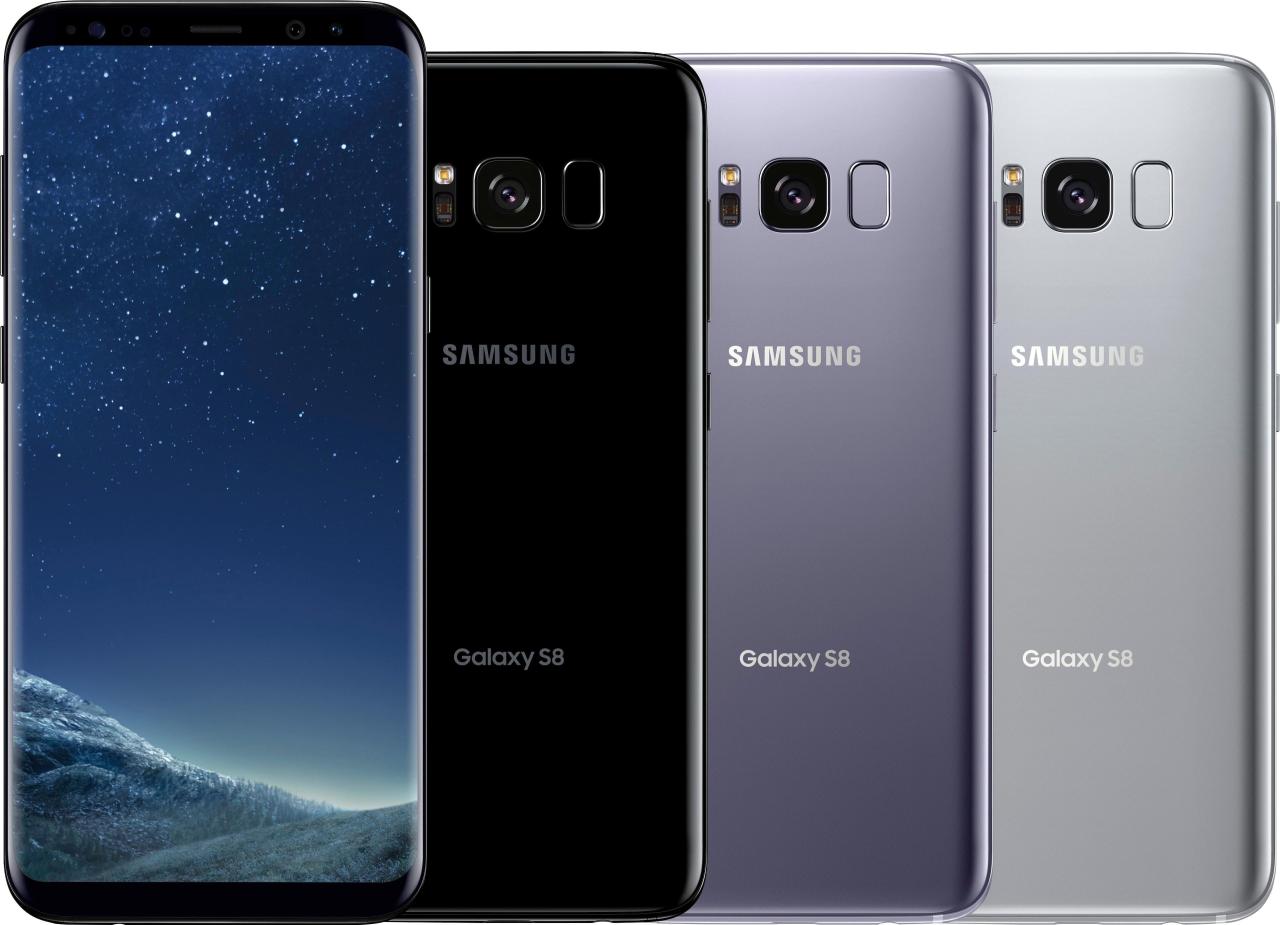
The Samsung Galaxy S7 was launched running on Android 6.0 Marshmallow, marking a significant leap forward in terms of user experience and functionality. This initial software version brought enhancements such as better app management, improved battery life features with Doze mode, and a refreshed interface that provided a smoother experience. Over time, Samsung committed to keeping the Galaxy S7 relevant through a series of updates, showing the importance of software in maintaining device longevity and user satisfaction.
Subsequent updates followed, with the Galaxy S7 receiving Android 7.0 Nougat as its major upgrade, which introduced features like split-screen multitasking, improved notifications, and enhanced performance capabilities. These upgrades not only refined the user interface but also patched up security vulnerabilities, making the device more resilient to threats. The introduction of monthly security updates further ensured that users benefited from ongoing improvements and protections, demonstrating Samsung’s dedication to its customer base.
Custom ROM Availability
With a strong community of developers around the Galaxy S7, custom ROMs have become a popular way for users to breathe new life into their devices. Custom ROMs are modified versions of the Android operating system, offering features and enhancements that are not available in the stock firmware. The significance of these custom ROMs lies in their ability to provide a tailored experience to users, often improving performance, battery life, and available features.
Users who opt for custom ROMs often benefit from the following features:
- Access to the latest Android versions that might not be supported by the original manufacturer.
- Enhanced customization options allowing for greater personalization of the user interface.
- Removal of bloatware, leading to improved system performance and free up storage space.
- Increased battery efficiency and performance enhancements tailored to individual needs.
- A community-driven support system providing ongoing updates and fixes.
Many users have reported significant improvements in user experience and satisfaction after switching to a custom ROM, highlighting the importance of software flexibility in maximizing the potential of their Galaxy S7 devices.
The Galaxy S7’s ability to receive software updates and the thriving ecosystem of custom ROMs exemplify how software and updates play a crucial role in enhancing the overall performance and longevity of smartphones.
FAQ Section
What is the battery life of the Galaxy S7?
The Galaxy S7 typically offers around 22 hours of talk time, making it competitive among its peers.
Is the Galaxy S7 water-resistant?
Yes, the Galaxy S7 is rated IP68, meaning it is resistant to water and dust.
What is the maximum storage capacity of the Galaxy S7?
The Galaxy S7 supports microSD cards up to 256GB, allowing for extensive storage expansion.
Does the Galaxy S7 support wireless charging?
Yes, the Galaxy S7 supports both wired and wireless charging options for convenience.
What operating system does the Galaxy S7 run on?
Upon launch, the Galaxy S7 ran on Android 6.0 Marshmallow and has since received several updates for improved performance.
The Samsung Galaxy S II marked a significant turning point in smartphone technology with its sleek design and powerful performance. This device set the stage for future innovations, paving the way for later models like the Galaxy S10 Plus, which offers even more advanced features.
With the release of the Samsung Galaxy S10 Plus , users experienced a new level of smartphone capabilities, including a stunning display and top-tier camera performance. Its evolution from earlier models, such as the Galaxy S II, highlights Samsung’s commitment to innovation and user satisfaction.