Gps tracking is revolutionizing the way we navigate our world, offering unparalleled insights into location and movement. From personal safety to fleet management, the applications of GPS technology have expanded tremendously, providing solutions that enhance efficiency and security across various industries.
Understanding the core principles of GPS tracking systems is essential, as they rely on a sophisticated network of satellites, receivers, and software to deliver real-time location data. Over the years, advancements in this technology have paved the way for innovative applications, making GPS tracking an indispensable tool in modern society.
Understanding GPS Tracking Technology
Global Positioning System (GPS) tracking technology has transformed the way we navigate and interact with our environment. Originally developed for military applications, GPS is now ubiquitous in civilian life, enabling a wide range of applications from navigation to personal safety. This technology relies on a constellation of satellites that provide real-time location data to GPS receivers, allowing users to determine precise geographic locations.


The core functionality of GPS tracking systems revolves around the transmission of signals between satellites and receivers. A GPS receiver calculates its position by triangulating signals from at least four satellites, using the time it takes for each signal to travel. This process involves a series of complex calculations, but at its heart, it is about determining distances based on the speed of light.
Components of GPS Tracking Systems
Understanding the components of GPS tracking systems is essential to appreciate how they work. The primary components include satellites, receivers, and software.
1. Satellites: The GPS system consists of a network of around 30 satellites orbiting the Earth. These satellites are positioned at an altitude of approximately 20,200 kilometers and are strategically placed to provide global coverage. Each satellite continuously transmits signals that include its location and the precise time the signal was transmitted.
2. Receivers: GPS receivers can be found in various devices, including smartphones, vehicles, and specialized GPS units. The receiver’s role is to capture the signals sent by the satellites, calculate the time it took for the signals to arrive, and determine its position based on the distance from multiple satellites.
3. Software: GPS tracking systems utilize software to process the data received from satellites. This software can provide various functionalities, such as mapping, route optimization, and real-time tracking. Advanced software solutions may also integrate additional data, like traffic conditions, to enhance user experience.
Advancements in GPS Tracking Technology
Over the years, GPS tracking technology has evolved significantly, leading to enhancements in accuracy, reliability, and versatility. The following points highlight key advancements:
– Improved Accuracy: Modern GPS systems can achieve positioning accuracy within a few centimeters, thanks to advancements in satellite technology and signal processing. Techniques such as Differential GPS (DGPS) and Real-Time Kinematic (RTK) positioning have further improved precision for applications in agriculture, construction, and surveying.
– Integration with Other Technologies: The integration of GPS with other technologies, such as cellular networks and Wi-Fi, has enabled more robust tracking solutions. This combination allows for improved location services indoors and in areas with limited satellite visibility.
– Real-time Tracking Capabilities: The development of advanced communication technologies has enabled real-time tracking of assets and individuals. This capability is crucial for logistics, vehicle fleet management, and personal safety applications.
– Miniaturization: The trend towards miniaturization has led to the creation of smaller, more affordable GPS receivers. These compact devices can be embedded in a wide range of products, making GPS tracking accessible to more users and industries.
– Enhanced Data Security: As GPS technology becomes increasingly embedded in various applications, ensuring data security and privacy has become paramount. Advancements in encryption and secure communication protocols help protect users’ location data from unauthorized access.
In summary, GPS tracking technology has come a long way since its inception. By understanding its core principles, components, and advancements, users can better appreciate its role in modern society and the myriad applications it supports.
Applications of GPS Tracking

GPS tracking technology has revolutionized various industries by providing real-time location data and improving operational efficiency. From logistics companies to personal safety devices, the applications of GPS tracking are diverse and impactful. This technology not only enhances productivity but also increases transparency and safety across multiple sectors.
Industries Utilizing GPS Tracking
Numerous sectors have embraced GPS tracking due to its versatile applications and benefits. The following industries exemplify how GPS technology is transforming operational practices:
- Logistics: Companies like FedEx and UPS utilize GPS tracking to optimize delivery routes, reduce fuel consumption, and ensure timely deliveries. Real-time tracking enables efficient management of delivery schedules.
- Transportation: Public transportation systems, such as buses and trains, use GPS technology to provide passengers with live updates on arrival times. Apps like Transit leverage this data to enhance user experience.
- Personal Safety: Devices like personal trackers or smartphone apps enable individuals to share their location with loved ones. Services such as Life360 provide families with peace of mind by tracking each member’s whereabouts.
- Agriculture: Farmers use GPS for precision farming, allowing them to monitor crop health and manage resources effectively. This approach increases yield while minimizing waste.
- Emergency Services: First responders use GPS tracking to quickly locate individuals in distress. For instance, ambulances equipped with GPS can navigate efficiently to emergencies, reducing response times significantly.
Comparison of Fleet Management and Personal Vehicle Tracking
The utilization of GPS tracking serves different purposes in fleet management compared to personal vehicle tracking. Each application has unique features tailored to the needs of the users.
Fleet management systems leverage GPS tracking to monitor multiple vehicles. Businesses benefit from centralized data that allows for:
- Route Optimization: Fleet managers can analyze traffic patterns and reroute vehicles to avoid delays.
- Maintenance Scheduling: GPS data helps in tracking vehicle usage, enabling timely maintenance and reducing downtime.
- Driver Behavior Monitoring: Companies can evaluate driver performance, ensuring safety and reducing operational costs.
In contrast, personal vehicle tracking focuses on individual users’ needs, including:
- Security: Devices like Vyncs or Tile help users locate stolen vehicles, providing peace of mind.
- Route History: Users can review their travel history for personal purposes, such as commuting patterns.
- Emergency Alerts: Personal devices can send alerts to emergency contacts if an accident occurs.
GPS Tracking in Emergency Services
The application of GPS tracking in emergency services plays a critical role in saving lives. Services globally use this technology to enhance their response capabilities.
An example of this is the integration of GPS in dispatch systems. For instance, in urban areas, dispatch centers utilize real-time GPS data to:
- Identify the Nearest Units: Emergency responders can be dispatched based on proximity, ensuring the quickest response to incidents.
- Track Incident Progress: Monitoring the journey of emergency vehicles helps in managing resources effectively during crises.
- Coordinate Multi-Agency Responses: During large-scale emergencies, GPS aids in collaboration among various services, improving efficiency.
In conclusion, GPS tracking technology is instrumental across various industries, enhancing operational efficiency, safety, and resource management. The real-world applications illustrate its significance in both commercial and personal contexts, ultimately contributing to better outcomes in logistics, transportation, and emergency services.
Benefits and Challenges of GPS Tracking
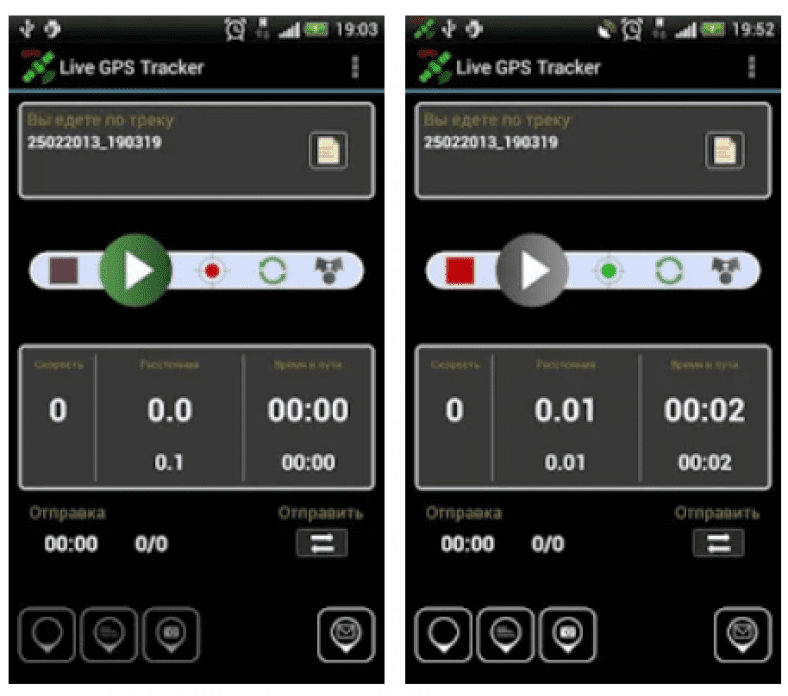
The integration of GPS tracking technology into various sectors has revolutionized how businesses and individuals manage logistics, safety, and resource allocation. This technology provides numerous advantages, yet it also poses specific challenges that must be navigated effectively.
Advantages of GPS Tracking for Businesses and Individuals
Utilizing GPS tracking systems offers a wide array of benefits, significantly enhancing operational efficiency and safety. The following points illustrate the key advantages:
- Enhanced Efficiency: GPS tracking allows for real-time monitoring of assets, optimizing routes, and reducing fuel consumption. For instance, delivery companies can maximize their routes, ensuring timely deliveries and minimizing operational costs.
- Improved Asset Security: The capability to track vehicles or equipment can deter theft and enable rapid recovery. Businesses with valuable assets can leverage this technology to protect their investments effectively.
- Increased Accountability: GPS tracking fosters accountability among employees, as their movements are monitored during work hours. This can lead to improved productivity and a reduction in unauthorized use of company resources.
- Better Customer Service: With precise location data, businesses can provide accurate delivery time estimates and enhance customer satisfaction through timely services.
- Safety Enhancement: GPS tracking can significantly improve the safety of personnel, especially those working in remote or hazardous environments. Real-time location tracking ensures quicker response times in emergencies.
Privacy Concerns Related to GPS Tracking
While GPS tracking offers substantial benefits, it raises critical privacy concerns that must be addressed to foster user trust and acceptance. The following points Artikel these concerns and potential solutions:
- Data Misuse: There is a risk that location data could be misused by employers or third parties. Ensuring strict data protection policies and only collecting necessary information can mitigate this concern.
- Consent Issues: Users must be informed about the data being collected and how it will be used. Implementing transparent consent mechanisms can help to alleviate privacy concerns.
- Security of Personal Data: Protecting location data from unauthorized access is vital. Utilizing encryption and secure server protocols can protect sensitive information from breaches.
- Public Perception: The societal view of surveillance can be negative. Engaging with stakeholders and promoting awareness about the benefits of GPS tracking can help to shift perceptions positively.
Technical Challenges in Implementing GPS Tracking Solutions
Implementing GPS tracking solutions is not without its technical challenges. Organizations must navigate various factors to ensure successful deployment and operation:
- Signal Reliability: GPS signals can be obstructed by tall buildings, dense forests, and adverse weather conditions. This can lead to inaccuracies in location data, necessitating alternative technologies like cellular or Wi-Fi positioning to supplement GPS.
- Integration with Existing Systems: Successful GPS tracking implementation requires compatibility with current business systems. Businesses may face challenges in integrating new technology with legacy systems, necessitating skilled IT support.
- Cost of Implementation: While the long-term benefits of GPS tracking can be substantial, the initial setup costs can be prohibitive for small businesses. Budgeting for both hardware and software components is essential for effective implementation.
- User Training: Ensuring that staff are adequately trained to use GPS tracking systems is crucial. Without proper training, users may struggle to utilize the technology effectively, diminishing its potential benefits.
Future Trends in GPS Tracking
The landscape of GPS tracking technology is rapidly evolving, driven by advancements in technology and increasing demand for precise location services. As industries continue to embrace digital transformation, the future of GPS tracking holds immense potential for innovation and application across various sectors. This segment explores the anticipated trends and innovations that are set to shape the future of GPS tracking systems.
Upcoming Innovations and Trends in GPS Tracking Technology
The future of GPS tracking is poised to witness several key innovations that promise to enhance accuracy, efficiency, and usability. These innovations will be influenced by developments in satellite technology, data analytics, and connectivity options.
Increased use of Low Earth Orbit (LEO) satellites is expected to significantly improve tracking accuracy and reduce latency. Traditional GPS systems rely on geostationary satellites, which can lead to signal delays and inaccuracies in urban environments. LEO satellites, positioned closer to the Earth, can provide more precise data and faster updates, making GPS applications more reliable.
Integration with Internet of Things (IoT) devices will further expand the capabilities of GPS tracking. As more devices become interconnected, real-time location data can be utilized to optimize supply chain management, enhance personal safety, and improve asset tracking. This level of integration enables a seamless flow of information, allowing businesses to make data-driven decisions with agility.
Impact of Artificial Intelligence and Machine Learning on GPS Tracking Systems
Artificial intelligence (AI) and machine learning (ML) are set to revolutionize GPS tracking systems by enabling predictive analytics and automated decision-making. These technologies can analyze vast amounts of data generated from GPS systems to identify patterns, optimize routes, and enhance overall system performance.
AI enhances GPS tracking by providing real-time insights into traffic conditions, weather patterns, and potential hazards, allowing users to make informed decisions quickly. For instance, delivery companies can leverage AI algorithms to predict delivery times more accurately based on historical data and current conditions.
Machine learning algorithms can adapt to user behavior over time, improving the accuracy of location-based services. For example, a fleet management system could learn the most efficient routes based on past travel data, leading to cost savings and improved delivery times.
Potential Future Applications for GPS Tracking in Various Sectors
The applications of GPS tracking technology are broad and varied, with numerous potential future uses that can enhance efficiency and safety across sectors. Below is a comprehensive overview of prospective applications:
- Healthcare: GPS tracking can be employed in patient monitoring systems, enabling healthcare providers to track the location and health status of patients in real time, enhancing emergency response protocols.
- Transportation and Logistics: The logistics industry will benefit from advanced GPS tracking for better fleet management, route optimization, and reduced fuel consumption, ultimately leading to lower operational costs.
- Agriculture: Precision agriculture can utilize GPS tracking to monitor crop health, optimize irrigation, and streamline harvesting processes, improving yield and resource management.
- Public Safety: GPS tracking can improve emergency response systems by providing first responders with accurate locations of incidents, facilitating quicker and more efficient responses.
- Smart Cities: Integrating GPS tracking into urban infrastructure can assist in managing traffic flows, public transportation systems, and emergency services, contributing to the development of more efficient and responsive urban environments.
- Wildlife Conservation: GPS tracking technology can be used to monitor endangered species’ movements, providing valuable data for conservation efforts and habitat protection.
Key Questions Answered
What is GPS tracking?
GPS tracking is a technology that uses satellite signals to determine the location of a device in real-time.
How does GPS tracking work?
It works by receiving signals from multiple satellites to triangulate the precise position of the GPS receiver.
Are there privacy concerns with GPS tracking?
Yes, privacy concerns exist as GPS tracking can be used to monitor individuals without their consent, but there are regulations and technologies to protect user privacy.
Can GPS tracking be used for personal safety?
Absolutely, GPS tracking devices can enhance personal safety by allowing loved ones to track location in real-time during emergencies.
What industries benefit most from GPS tracking?
Industries such as logistics, transportation, and emergency services benefit significantly from the efficiency and safety that GPS tracking provides.
The Samsung Galaxy F series has garnered attention for its impressive features and budget-friendly pricing. This smartphone line focuses on offering great camera capabilities and long battery life, making it a popular choice among users who want performance without breaking the bank. If you’re looking for a reliable device, the Galaxy F is certainly worth considering.
Apple’s innovation is evident in its latest offerings, particularly with the chip iPhone that powers the new devices. This advanced chip enhances performance and efficiency, allowing users to enjoy seamless multitasking and improved graphics. As Apple continues to push boundaries in mobile technology, the new chip plays a crucial role in delivering a superior user experience.